Glass Houses and Growth: The Real Story of Leamington’s Greenhouse Evolution

The massive footprint of glass in our backyard
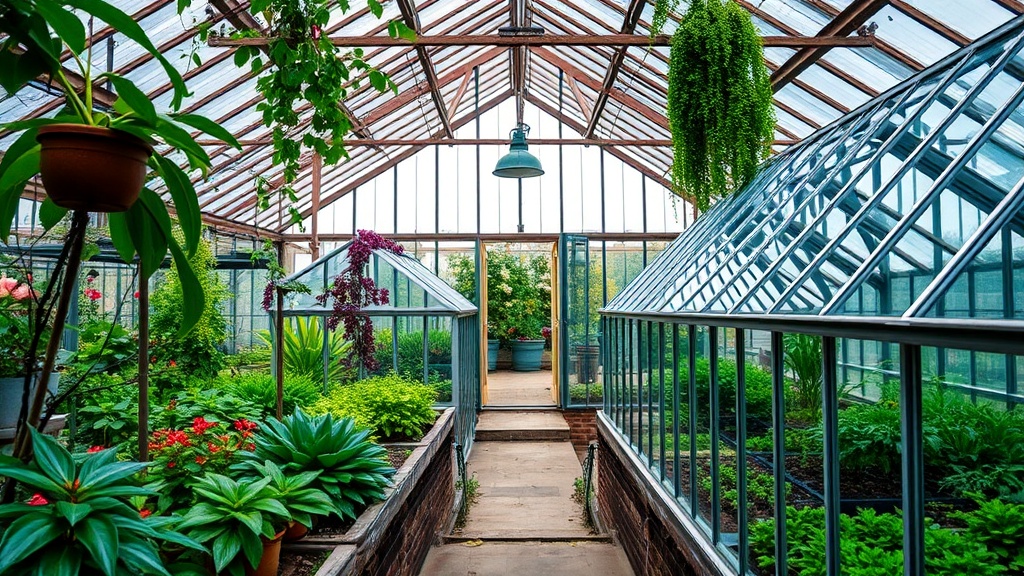
Did you know that Leamington holds the highest concentration of greenhouses in all of North America? We aren't just talking about a few backyard hobby sheds; we’re looking at approximately 3,000 acres of glass and plastic structures that define our local skyline. This isn't just an agricultural statistic—it's the heartbeat of our community’s economy and the reason our infrastructure looks the way it does. While outsiders might just see a glow on the horizon at night, we know that those structures represent thousands of local jobs and a massive part of our town’s identity. It’s a specialized world that has grown right alongside our residential streets (often literally right next door), and understanding how it works helps us understand why Leamington remains such a unique place to live in Ontario.
For decades, our town was synonymous with the red glow of a different kind—the tomato processing power of the H.J. Heinz company. When that massive facility changed hands and later evolved, many worried about the future of our workforce. However, the shift toward indoor growing had already been underway for years. Our local growers realized early on that controlling the environment was the only way to stay competitive. Today, the transition from open-field farming to high-tech glass has changed everything from the way we manage our municipal water to the traffic patterns we see on Erie Street South every afternoon. It’s an evolution that hasn't been without its growing pains, but it has certainly kept Leamington on the map as a global leader in food production.
Why did Leamington become the greenhouse capital of North America?
It’s a question we often hear from folks visiting from Windsor or London, and the answer is actually found in the water surrounding us. Lake Erie acts as a massive thermal heat sink—it keeps our winters slightly more tolerable and our summers from getting too scorching. This specific microclimate is a dream for growers. Because the lake buffers the extreme temperature swings, it costs significantly less to heat a greenhouse here than it would in most other parts of Canada. Our community sits at the same latitude as Northern California, giving us a natural advantage when it comes to sunlight hours. It’s no coincidence that as you drive down Seacliff Drive, you see the sheer scale of investment that has gone into these facilities; the sun is simply better here.
Beyond the weather, the geography of our town provided the perfect foundation for this industry to explode. We have the flat land necessary for building massive footprints, and we have the proximity to the U.S. border. Being able to get a shipment of peppers or cucumbers from a Leamington loading dock to a major distribution hub in Detroit or Chicago within a few hours is a massive advantage. We’ve seen local logistics companies grow from single-truck operations into massive fleets just to keep up with the demand. This logistical network is a vital part of our town's internal machinery, and it’s why you’ll see so many specialized service businesses lining the industrial areas near Highway 77.
How does the greenhouse sector shape our daily lives in Leamington?
Living in Leamington means experiencing the greenhouse industry in ways that go far beyond what we buy at the grocery store. It affects our local cultural fabric in a profound way. The seasonal worker program brings thousands of people from across the globe to our town every year, adding a vibrant, international layer to our community life. You can see this influence in the diverse offerings at our local shops and the energy during our summer festivals. We’re a town that has learned to be welcoming because our primary industry depends on a global workforce. This diversity isn't just a side effect; it’s a core part of who we are as a community today.
Of course, there are the infrastructure realities that we all deal with. If you’ve ever been stuck behind a slow-moving tractor on a side road or noticed the massive electrical substations popping up near the outskirts of town, you’re seeing the industry's footprint. The Municipality of Leamington has had to invest heavily in water and wastewater systems to support these facilities—upgrades that often benefit residential areas too. It’s a balancing act for our local government. They have to ensure that the industry can grow while protecting the quality of life for those of us living in the older residential pockets. Whether it’s discussing new tax assessments or planning road expansions, the greenhouse sector is always the elephant in the room at council meetings.
Will technology change the way we see the greenhouse industry in Leamington?
One of the most talked-about topics in our coffee shops lately is the "glow." As greenhouses have moved toward year-round production using supplemental lighting, the night sky over Leamington has changed. For some, it’s a sign of progress and food security; for others, it’s a nuisance that disrupts the natural darkness of our lakeside setting. This has led to the implementation of dark-sky bylaws by the Municipality of Leamington, requiring growers to use specialized curtains to keep the light inside. It’s a perfect example of how our community is learning to coexist with high-tech agriculture. The innovation isn't just about bigger buildings—it’s about smarter ones that respect the neighbors.
Looking ahead, the use of automation and artificial intelligence is already starting to take hold in the newer builds along the edges of town. These aren't the humid, manual-labor-heavy spaces they used to be. Many of our local facilities now use robotic arms for packaging and complex climate control systems that can be managed from a smartphone. As these technologies become more common, the types of jobs available in Leamington are shifting toward tech and engineering. We’re seeing a new generation of local kids staying in town after university to work as programmers and technicians for the very greenhouses their grandparents might have worked in as pickers. This shift ensures that our community remains a place where young families can build a future without having to move to the GTA.
The relationship between our town and the glass that surrounds it is complex and ever-changing. We’ve seen the industry survive economic downturns, trade disputes, and changing consumer tastes. Through it all, the resilience of our local growers has kept Leamington stable. We aren't just a town with greenhouses; we are a greenhouse town. That distinction matters because it influences our schools, our housing market, and our collective sense of pride. As we look toward the next decade of growth, it’s clear that the "Glass City" will continue to evolve, finding new ways to feed the world while remaining the place we are proud to call home. Our community’s strength lies in this ability to adapt—taking a global industry and making it feel like a local family business.